

In the last post, Amos learned to ask the questions provided by Bob’s advisor before taking on debt: What are the costs of growth? What could an additional crew generate? What will your cashflow allow you to spend per month? Those questions are a good start, but a natural follow-up is: “What does it look like when someone actually gets it right?” To answer that, Amos went back to Bob, who owns a $3M HVAC company, and during that conversation Bob walked through the process that he used to determine if he could finance a second crew without putting his cashflow in a bad place. Here is the process that Bob employed.
Growth That’s Funded vs. Growth That’s Hoped For
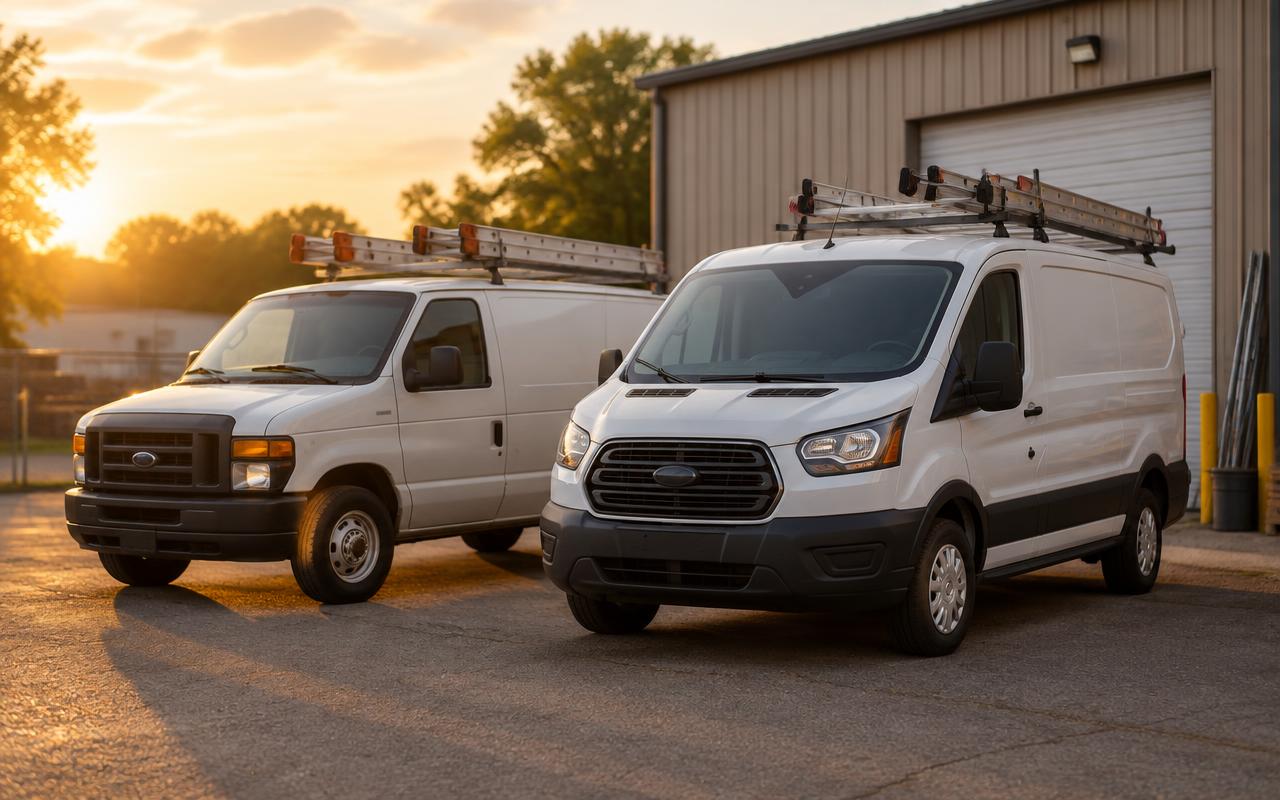
Bob’s situation looked a lot like Amos’s. The schedule was full, customers were waiting weeks for installs, and he was turning down work he knew his team could handle if he only had another crew. A new van, the equipment to outfit it, and a new technician to run it would cost a little over $100K, and the bank was ready to help.
The temptation, as Bob put it, was to say yes because the opportunity was obvious. Plenty of owners sign the loan, buy the van, and hope the extra work fills the gap. Sometimes it does. Often, however, it doesn’t, and the payment shows up every month whether the phones are ringing or not. That’s the difference between growth that’s hoped for and growth that’s funded on purpose. Bob’s advisor reminded him that the problem was never the debt; it was signing before knowing whether the business could carry it.
How the Decision Was Modeled
Before signing anything, Bob and his advisor ran the decision through a debt service model. They did not start with the loan offer. They started with the business as it exists today:
- Current cashflow: What the business brings in and sends out in a normal month, including the slower stretches of the year.
- The new payment: The monthly cost of the van and equipment loan layered on top of everything already going out the door.
- The cost of the new crew: Technician labor, insurance, fuel, maintenance, training time, and the slower ramp-up period before a new crew is fully efficient.
- The revenue needed: How much work the new crew had to bring in each month just to cover all of the above.
The result was a clear picture, not a gut feeling. Bob could see the loan payment sitting inside the full cost of running a second crew, and he could see how much work it would take to pay for the whole thing.
Where the Payment Broke Even
Here is where the model earned its keep. Bob’s existing cashflow could technically absorb the payment, but only barely, assuming the new crew was busy. When the numbers were stacked together, the payment and the crew’s costs only worked if the business added two additional jobs a week. At one job a week, the new crew would be covering its costs but straining cash. At zero, the business would be paying for a truck that sat in the driveway.
What Bob did next is what made the difference: He did not take that number as a threat; he took it as a condition. Before signing, he confirmed that the two additional jobs a week were already there: the backlog of waiting installs, the maintenance agreement renewals, and the customers he had been putting off. With that work secured, the model showed the payment sitting comfortably inside his cashflow, even during a slower month.
He signed the loan knowing the number that had to be true, and knowing it was already true. That’s what funded on purpose looks like. The financing worked because the decision was modeled first, not because debt was avoided.
One Number to Confirm Before Your Next Financing Decision
Let’s go back to Amos’s situation. Now that Bob has walked through the process with him, Amos decided to utilize it for his own company. After plugging his numbers into a debt service model, he found that he could only make it work if he took on an additional three jobs each month. He looked at the company’s schedule and saw that he was booked for several months out, and the phone was ringing every day, so scheduling three additional jobs each month wouldn’t be an issue.
Debt is a tool, and Bob’s and Amos’s stories show what it looks like when it is used well. At Square Books, we love helping owners test their growth decisions before they sign, so that expansion strengthens the business instead of straining it. If you are weighing a financing decision, we would be glad to walk through the numbers with you.
Call to Action
Identify one number that would need to be true for a growth decision to work. Check whether it currently exists.
If you need additional assistance, use our debt service model, and book a Discovery Call with Joseph.