
Amos, like most owners, has faced a question similar to the following: “If I am this busy, should I add another crew?” or “Can I get all the work done?” These questions generally follow a strong season or steady growth, but more often than not the answer is rooted in a gut feeling or instinct. With this question on his mind, Amos sought advice from his colleagues, YouTube videos on growth, and books. One of his friends, Bob, recalled the advice he had received from his advisor during a similar period of growth. The following were the questions that Bob had answered before expanding.
What Are the Costs of Growth?
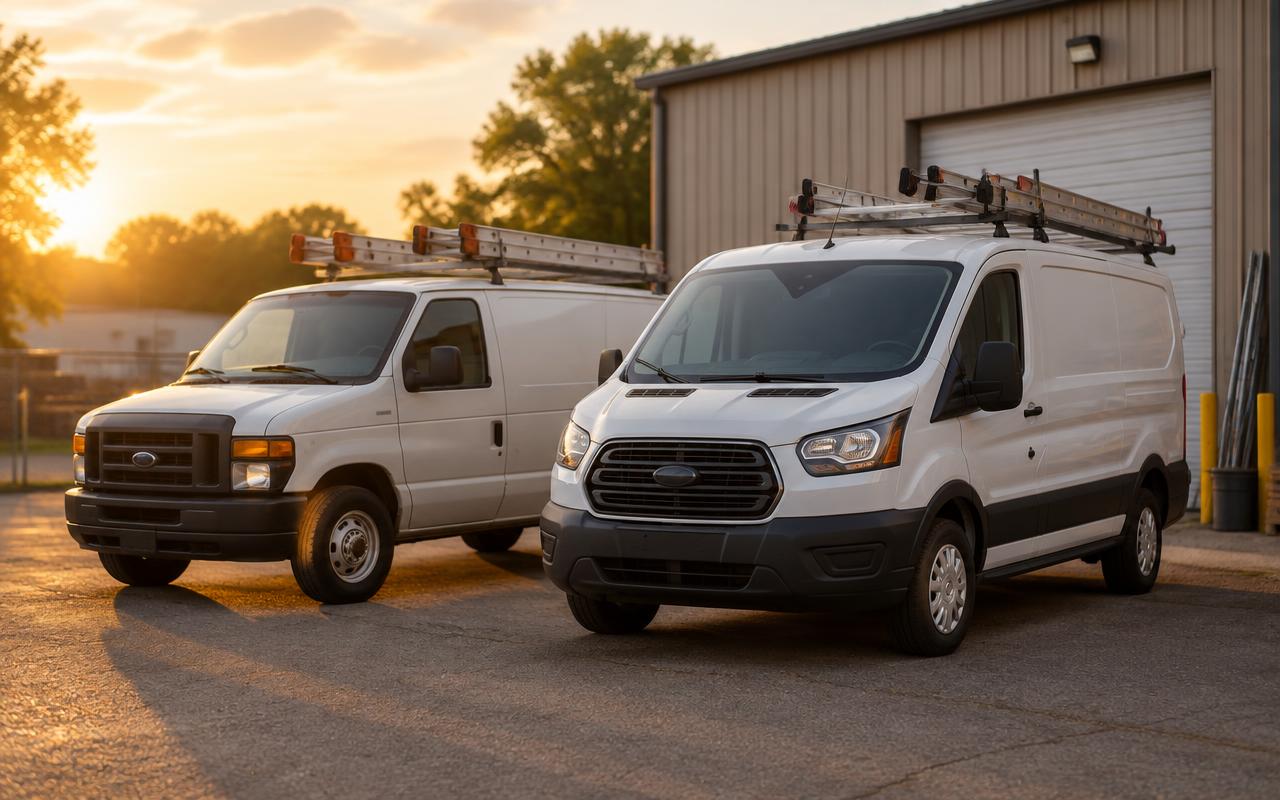
In order to expand, Amos felt that he would have to add a new crew, and to do so he would have to purchase another van or truck. He knows that this would have to be financed, and therefore would be a monthly payment for the next five plus years. As he thought deeper, Amos realized that the van was not the only cost. In addition to the van he would also have to equip and maintain it, and he would also have to hire and train technicians to man the van. A quick check on his bank balance revealed that he was not close to covering the additional costs to properly set up the vehicle and crew. Many owners would stop here in frustration and just deal with the current business, hoping it would slow down; but Amos didn’t. He calculated the cost of each item that he had listed and came up with a target cost to expand his business. Here is where Bob’s advisor’s second question started to take root.
What Could an Additional Crew Generate?
Looking at his schedule, Amos figured that with an additional competent crew, he would be able to start and finish 35% of the already scheduled work in weeks, not months. Additionally, the second crew would allow him to pursue more jobs. He would no longer be held back by his availability. He realized that an additional crew would be able to support itself—generate enough revenue to cover all the costs (technician labor and overhead to name a couple) required for the truck to be on the road—in less than six months. After that, it would take the crew about fifteen months to fully recover the initial investment. So he was looking at slightly less than a two-year recovery time for his initial investment. Armed with these numbers, Amos was feeling excited and hopeful...until he recalled his current bank balances. At this point he, like many before him, felt a kind of frustration tinged with desperation. Those feelings were summed up in a single question: “If the opportunity is there, but I can’t save enough to reach it, what am I doing wrong?” The truth is nothing. This is not an uncommon scenario for many owners. Many owners resort to incurring debt in order to “seize the opportunity;” however, without a solid plan on how to use funds, many companies will take on debt to overcome the immediate situation and, in so doing, set their companies back years. This led to the advisor’s third question.
What Will Your Cashflow Allow You to Spend Per Month?
The advisor understood that often expansion is a slow process and that it will often cost the owners opportunity. As Amos turned the question over in his mind, he realized that debt was a tool, and like any tool, when used for its intended purpose it worked well. But it was also dangerous if not respected or used properly. In his situation, a loan would allow him to properly equip the van and train the technicians at a much lower per month startup cost. He had calculated that outfitting and staffing a new crew could cost well over $100k, but using debt appropriately he could stretch out the repayment of that sum over the next seven to ten years and lessen the stress of getting a crew up to speed and covering its costs.
Considerations
As Amos considers his next step, it’s important for HVAC business owners to address a few crucial elements. First, a clear understanding of their business’s financial position. Can it support additional monthly payments if there is no income? If so, for how long? Second, a sound strategy for using the loan proceeds and how to repay the loan. Finally, a good understanding of the situation and circumstances. Is the current pressure for expansion tied to real growth or season swings? If the latter, can I afford the payments in the slow season? As these questions are answered, they will give way to more, and owners should wrestle through them before they ever make the decision to take on debt. As stated above, debt is a tool that is often misused and can cause great harm; but used properly, it can help businesses grow and scale far quicker than waiting to grow until it can be afforded.
At Square Books, we want to see businesses succeed and grow, and because of this we are eager to have conversations with owners considering expansion, growth, or just trying to find stability. So if you are considering using debt in your business, please take the advisor’s questions to heart and see what additional questions they uncover. If you need an additional voice, do not hesitate to reach out to Joseph and the Square Books team.
Bringing It All Together
Based on the list of questions that Bob shared, Amos wrote down the list of questions so he can look at his business’s financials and start to answer them using information from them. Once he did that, he looked into loan options and created cashflow forecasts to see how the payments would affect the business’s cashflow.
Call to Action
Calculate the cost of adding a second crew, purchasing another vehicle, and equipping said vehicle. Can it wait, or is it a necessity? If the latter, answer the financial advisor’s questions.
If you need additional assistance, book a complimentary consultation with Joseph.
*Disclaimer*