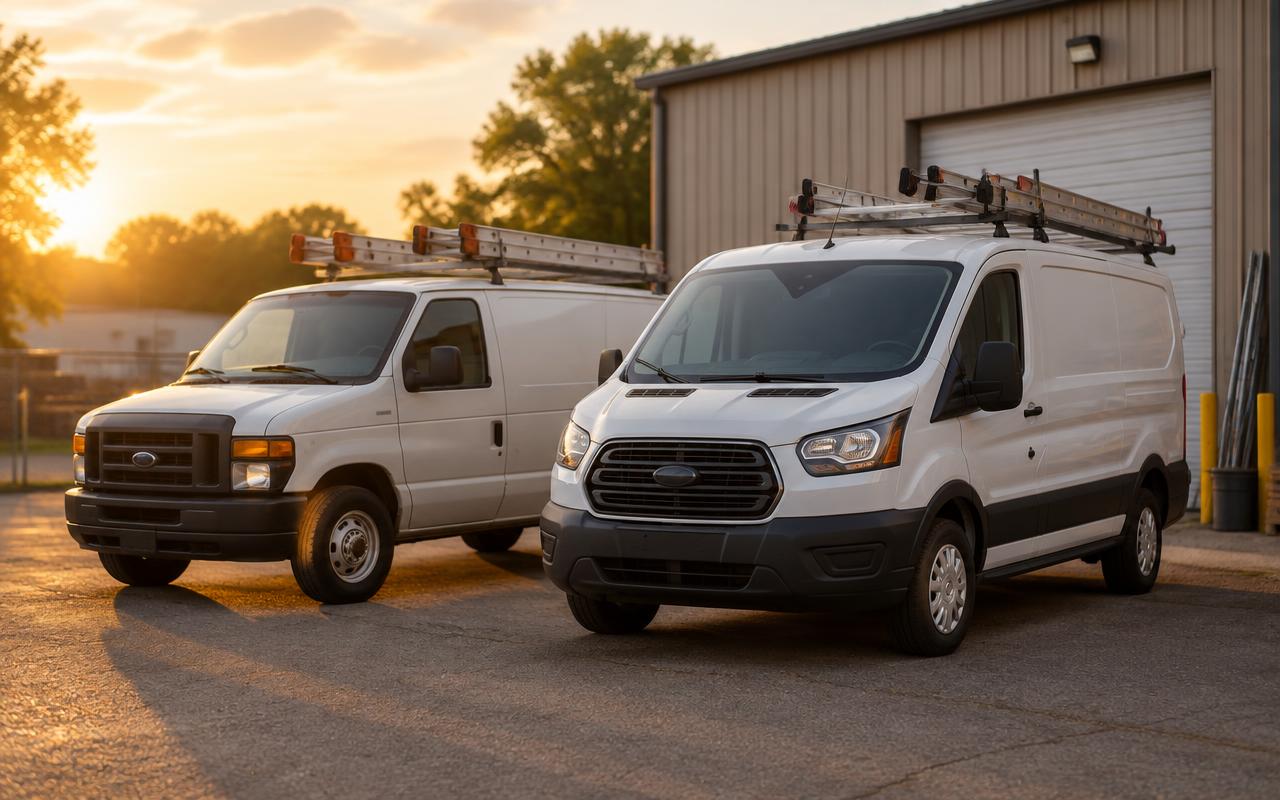


It’s time to say goodbye to Vernon and say hello to our new HVAC business owner for this month: Amos. Amos is in the office, watching his crews load their trucks and head out for the day. The morning routine done, he settles into his day; quoting, scheduling, and growing his business. His phone rings with a call from a colleague who has decided it was time to sell his business, and he wanted Amos to have the first opportunity. After talking and getting rough numbers, Amos hangs up and considers the opportunity. A reputable company with quality assets, and the owner has it valued at $500,000. However, he only has $50,000 in the bank. After talking to some other colleagues and trusted advisors, the most common advice he’s received is to get a loan and get the assets. Amos believes that this is a good opportunity; however, going into debt to do it feels like a riskier investment.
“I’m just not sure what to do,” he says to himself. “This is such a great opportunity, and I’m afraid if I don’t take it, I won’t get another one. However, the idea of taking on that much debt doesn’t sound great either.”
Borrowing Isn’t the Mistake
There are conflicting views in the advising space over whether or not debt is a bad thing. However, debt isn’t necessarily the problem; the wrong debt at the wrong time is.
Debt can be broken down into two general groups: secured and unsecured debt. The first type, secured, is tied to an asset, like a house, a car, or a business. The second type, unsecured, is generally based on personal credit scores and historical financials but is not connected to an asset. A common example of unsecured debt would be credit cards. However, there are times that unsecured debt can help improve a business’s cashflow. For example, if a vendor requires payment from a business owner within 30 days, but the customer doesn’t pay for 45 days, the business owner can use a credit card to pay the vendor. Then he can pay the credit card off in another 30 days, extending the deadline to 60 days total. This also gives him a little bit of a buffer while he waits for the customer’s payment.
One important thing to keep in mind is that, while the timing of debt is important, it’s also important not to take on negligent debt. This is when a business owner puts everything on a credit card with no plan of paying it off. When business owners do this, the debt keeps accumulating.
In business, there are many things that can be and are financed, like trucks, tools, and expansion. None of these is a poor use of debt; however, as we discussed briefly with Vernon, if assets are acquired without a clear plan for their use, that debt repayment will restrict the company's cashflow.
When the Payment Outruns the Cashflow
If a business takes out a loan but doesn’t have the cashflow to support it, they’ll end up deeper in debt. If a business owner takes out $10,000 worth of credit card debt to acquire a tool with no plan to pay it off, it’ll continue to accumulate. This tool needs to earn more than $10,000 to pay itself off. If it earns less than $10,000, it negatively impacts his cashflow. If it earns exactly $10,000, he breaks even but may still be responsible for interest owed. But if it earns more than $10,000, the tool pays itself off and Amos earns some profit from it. A good question to ask before acquiring any new asset, especially if debt is involved, would be how does this asset improve the company’s ability to make money?
Check the Numbers Before You Sign
Like any contract or agreement, it’s important to be informed and aware of what you’re signing up for before you write your signature. One way to do this is to write a cashflow forecast for the next 13 weeks to see how the loan payments would impact your business’s cashflow. For example, if your cashflow keeps going down or it’s approaching the slow season, it might not be a good time to finance a purchase. Perhaps waiting for the next busy season is a better time to take out a loan.
Your Next Financing Decision
Before you make your next financing decision, be aware of what kind of debt you’re getting into. Ask the following questions:
- Does it have early payment penalties or benefits?
- What does the monthly payment do to my cashflow?
Bringing It All Together
Debt is a powerful tool, but misused it’s a dangerous tool. If Amos takes on negligent debt or debt that negatively affects his cashflow, he could end up paying penalty fees or, even worse, closing his business down for good. However, if he takes on debt during a time when he knows he can pay it off without putting his cashflow in the red, then it can help his business continue to grow and earn more profits.
Call to Action
List the next planned purchase requiring financing. Write down the monthly payment amount.
If you need additional assistance, book a complimentary consultation with Joseph.
*Disclaimer*