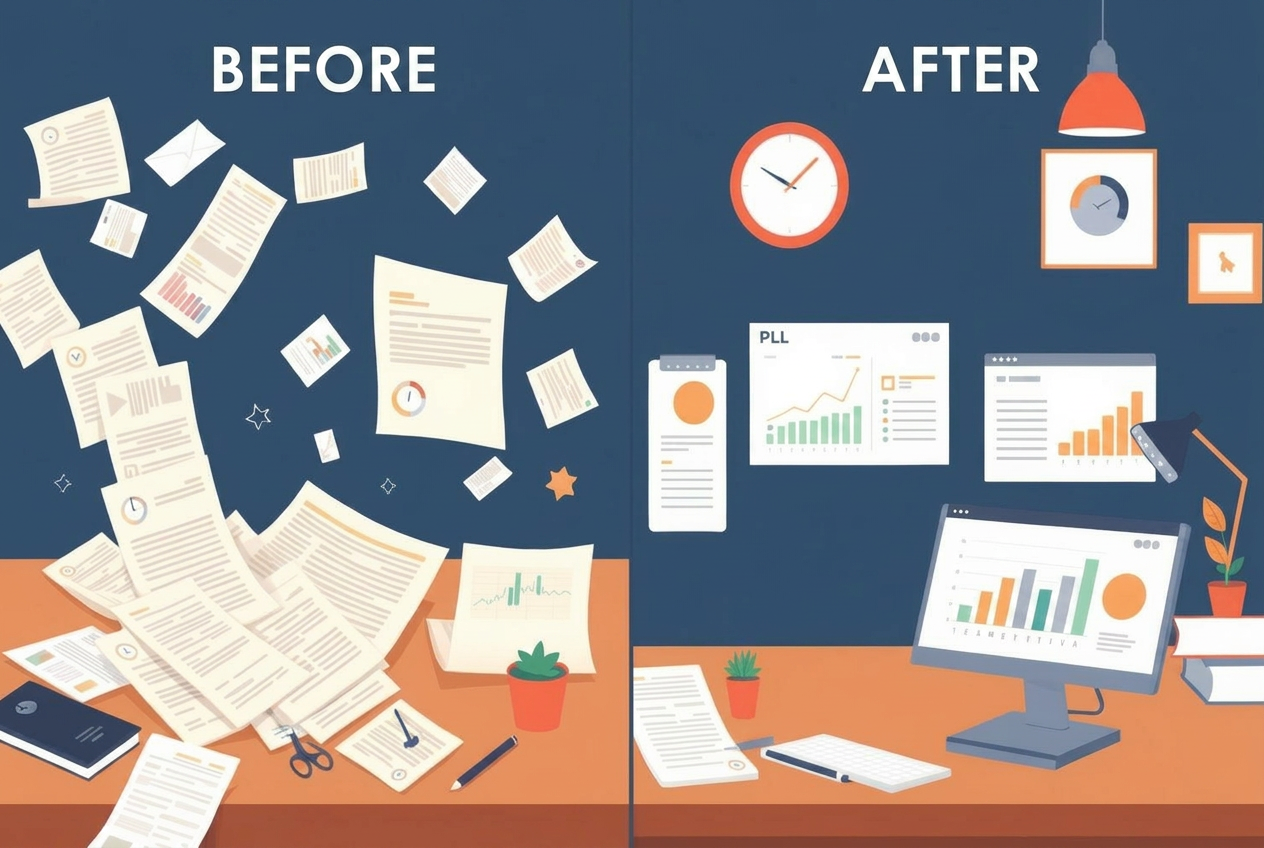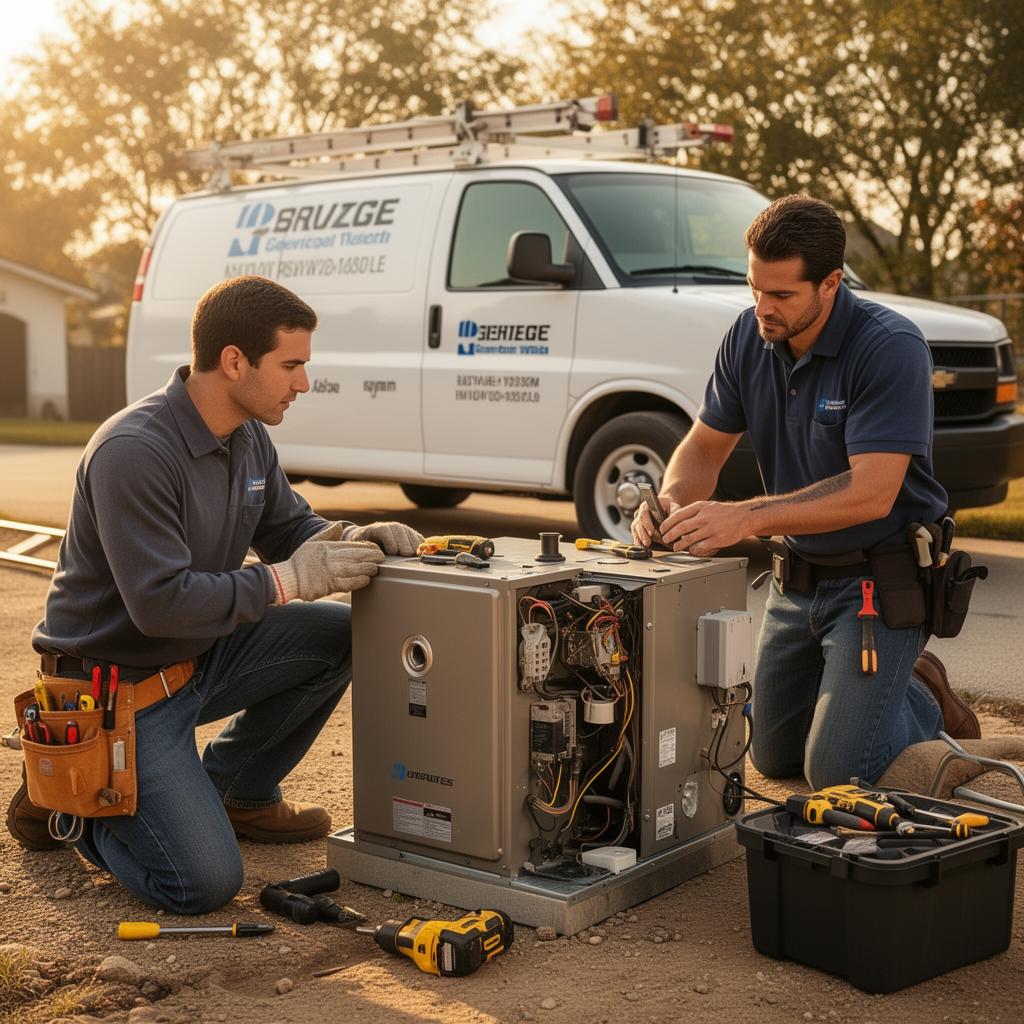


Hank is confused and frustrated. He and his fellow technician have been working hard, schedules as booked as they can be. But looking at his bank account, it doesn't look like the company made a lot of money.
Many business owners find themselves in this situation. They're tired of being busy but are still stressed about money. To them, and to Hank, it seems like the company will always be stuck in this phenomenon.
But what if there was a way for Hank, and other HVAC business owners, to have clarity around their company's finances rather than confusion? That's what our complimentary consultation will help business owners begin to do. It will highlight areas in their businesses that are doing well and areas that need to change.
The Original Complaint: You're Slammed and Still Short on Cash
In one of our previous posts, Does Busy=Profitable?, we talked about the "Busy-but-Broke" Problem. To put it simply, this is when a company is extremely busy, but the bank account doesn't reflect the amount of work the technicians are completing. Hank himself was in this situation a few months ago. He and the other technician had both worked overtime and completed so many service calls, installs, and other HVAC jobs that Hank thought the company would earn a hefty profit margin. However, when he looked at his bank account, it seemed he'd only made a small profit margin. What happened?
In the post mentioned above, we discussed some of the things we find contribute to the "Busy-but-Broke" problem, the first being that jobs are underpriced. Many business owners, like Hank, keep prices low to be "competitive", but they don't always account for the costs of materials, labor, the desired profit margin, and overhead. Thus, companies end up losing money on each job they perform.
Another thing we find contributes to the "Busy-but-Broke" problem is the hidden overhead costs. Software subscriptions, insurance and licensing, tools, vehicles and fuel — it all has to be paid for somehow. If they aren't tracked carefully and correctly, they can gradually take more and more profits even during the busy seasons.
One Question, 13 Weeks in the Making: What Would Clarity Actually Change?
Hank asked himself this question as he compared his cashflow forecast to the bank account and the financial documents.
Clarity would inform Hank what the actual problem was. He realized that small profit margins weren't the problem; they were the symptom of the problem. After digging deeper and making some calculations, he realized that the small profit margins were due to his jobs being underpriced and hidden overhead expenses.
The Work Order: Find the One Number Before You Touch Anything Else
Once he was aware of what was causing the confusion, he didn't know what the per hour cost of his labor was, also called his breakeven number. Armed with this realization, Hank took a free financial assessment, like ours, to find the number that would bring the most clarity and reduce the most stress. After finding the breakeven number, he got to work straightening out the finances in his business.
Fast forward to today: Hank no longer feels stressed or anxious when he sits down to look at the company's finances. His mind is clear rather than being full of question marks, because he now sees the effect of the changes he's made. He's also noticing that his bank balance is growing month over month because he started billing appropriately for the time and effort he and the other technician put into every job they complete.
Call to Action
If any post over the last 90 days made you think 'that sounds like us' — that is the signal. The assessment takes 30 minutes and costs nothing. Click here to book yours.
If you need additional assistance, book a complimentary consultation with Joseph.
Disclaimer: The information in this post is intended for general guidance purposes. For advice specific to your business finances or taxes, consult a licensed accountant or financial advisor.